
Dialysis Access Care in Seomyeon, Busan
Dialysis access care (투석 혈관 관리) covers creating and maintaining the vascular access used for hemodialysis, most often an arteriovenous (AV) fistula or graft in the arm. In Seomyeon, Busan, vascular clinics can assess vessels with ultrasound, plan access surgery, monitor maturation and treat narrowing or clots, often with balloon angioplasty. A new fistula typically needs about 6–12 weeks to mature before use.
Independent patient guide · Medically informative, not a substitute for a doctor's advice · Last reviewed:
What is dialysis access care?
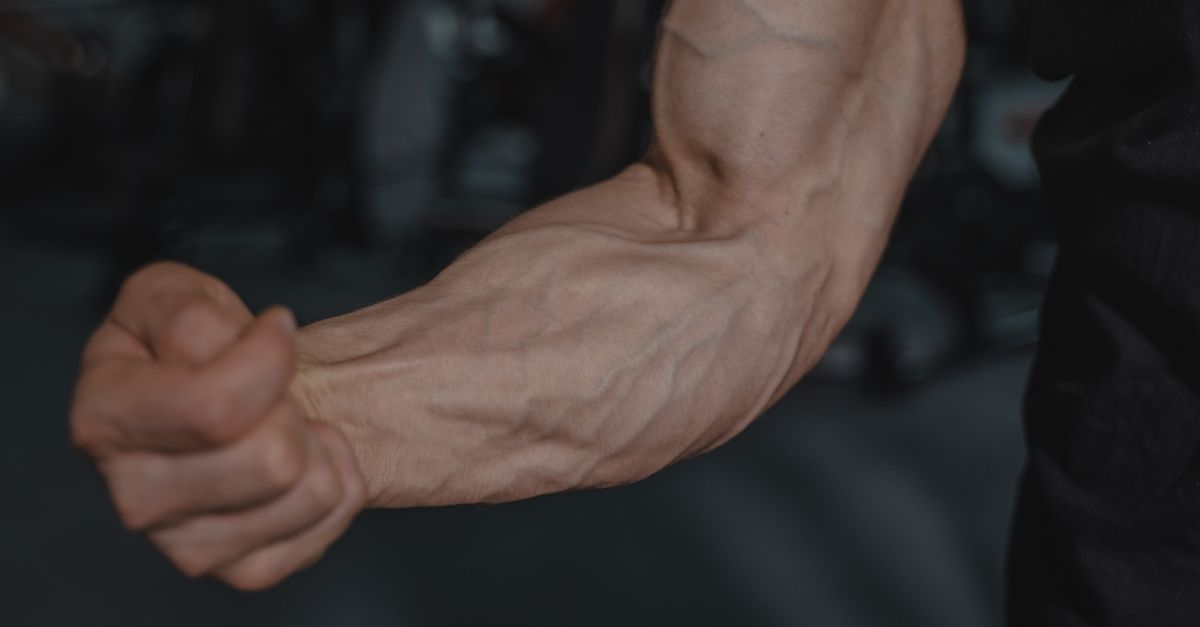
People with kidney failure on hemodialysis need reliable access to the bloodstream with good flow. An AV fistula connects an artery directly to a vein, usually at the wrist or elbow, so the vein enlarges and strengthens for repeated needling. An AV graft uses a synthetic tube when veins are unsuitable. Catheters are used temporarily but have higher infection and clotting risks. Keeping access working, sometimes called the patient's "lifeline", requires ongoing monitoring and prompt treatment of problems.
Who is it for?
- People with advanced chronic kidney disease preparing for hemodialysis
- Current dialysis patients with access problems: reduced flow, prolonged bleeding after needle removal, arm swelling, pain or difficulty cannulating
- Visitors on dialysis who need access checks while in Busan
Warning signs needing prompt attention
- Loss of the thrill or bruit (possible clot), which is time-sensitive
- Redness, warmth, pus or fever (possible infection)
- Bleeding that will not stop, or skin thinning and shiny skin over an aneurysm (risk of rupture; call 119 for heavy bleeding)
- Cold, painful or numb hand on the access side (steal syndrome)
- Swelling of the arm, face or neck (possible central vein narrowing)
What happens at the clinic
- Vessel mapping: ultrasound measures arteries and veins to choose the best access site.
- Access surgery: fistula or graft creation, usually under local or regional anesthesia as day surgery.
- Maturation monitoring: ultrasound checks diameter and flow; exercises such as hand squeezing may be advised.
- Surveillance: regular checks for narrowing using examination and ultrasound.
- Intervention: balloon angioplasty for narrowing and thrombectomy for clots, often same-day.
Recovery and aftercare
Protect the access arm: no blood pressure cuffs, blood draws or tight jewellery on that arm, and avoid sleeping on it. Keep the skin clean and check the thrill daily. Report changes early, since clots treated quickly have a better chance of rescue.
Risks and side effects
- Failure to mature, needing revision or a new access
- Recurrent narrowing requiring repeated angioplasty
- Infection, especially with grafts and catheters
- Steal syndrome reducing blood flow to the hand
- Aneurysm formation at needling sites
Choosing a clinic for dialysis access care in Seomyeon
- Choose a vascular surgeon or interventional specialist experienced in dialysis access.
- Ask whether same-day assessment is available for a lost thrill.
- Ask how surveillance ultrasound is scheduled.
- Coordinate with your dialysis unit and nephrologist.
- For travellers, bring access records and arrange holiday dialysis in advance.
Travelling on dialysis
Visitors should book dialysis sessions with a Busan unit before arrival. Seomyeon's central location on two metro lines helps with frequent appointments.
Key facts
- Access types: AV fistula (artery joined to vein), AV graft (synthetic tube), central venous catheter (temporary)
- Planning: vein and artery mapping ultrasound before surgery
- Fistula maturation: often about 6–12 weeks
- Problems treated: stenosis (narrowing), thrombosis (clot), aneurysm, infection, steal syndrome
- Common procedures: fistula creation, balloon angioplasty, thrombectomy, revision
- Daily check: feel the thrill (buzz) and listen for the bruit
- Typical NHI coverage: dialysis-related care generally covered for enrollees
Frequently asked questions
How long does an AV fistula take to mature?
Typically about 6–12 weeks, sometimes longer. Ultrasound checks and physical examination determine when it is large and strong enough for needling. Hand exercises may help maturation.
What should I do if I cannot feel the thrill in my fistula?
Contact your vascular or dialysis team immediately. Loss of the thrill may indicate a clot, and rapid treatment improves the chance of restoring the access.
What is balloon angioplasty for dialysis access?
A catheter with a small balloon is passed into a narrowed section of the access and inflated to widen it. It is usually done under local anesthesia and allows dialysis to continue.
Fistula or graft: which is better?
Fistulas generally last longer and have fewer infections, so they are preferred when veins are suitable. Grafts can be used sooner but tend to need more interventions.
Can I get dialysis while visiting Busan?
Yes, many dialysis units accept visiting patients, but sessions must be arranged in advance with medical records. Bring access details and contact information for your home team.
Medical disclaimer: Seomyeon.Clinic is an independent information directory. Content is for general education and does not replace a consultation with a licensed physician. Suitability, risks, results and costs vary by person and clinic. In an emergency in Korea, call 119.