
IUD Insertion in Seomyeon, Busan
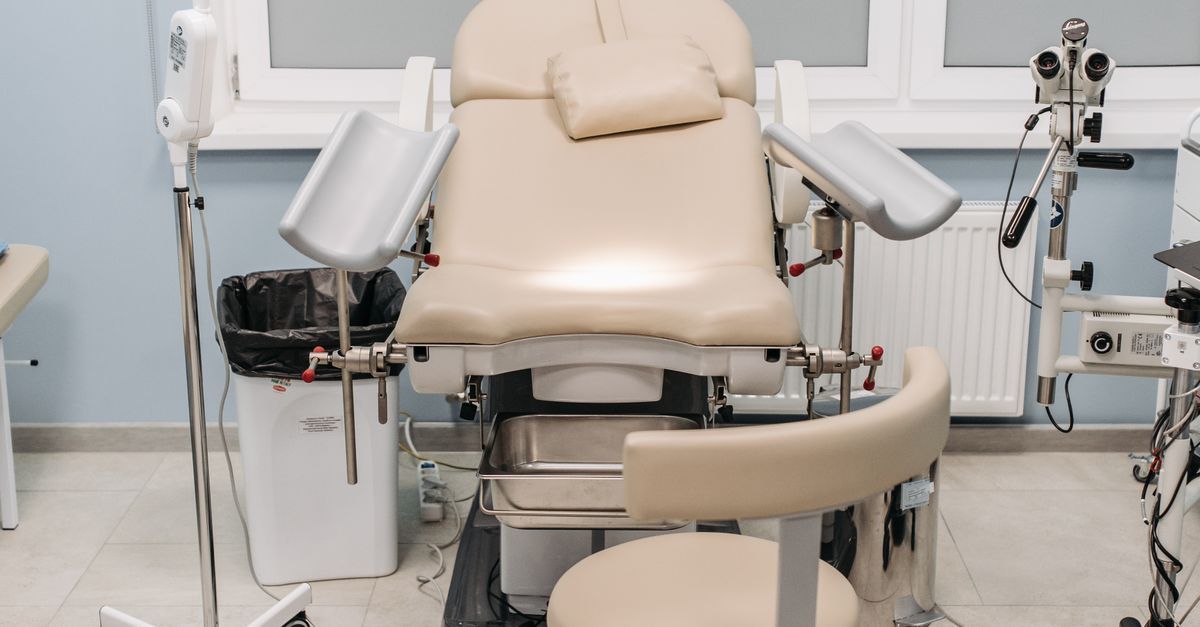
IUD insertion places a small T-shaped device in the uterus for long-term, reversible contraception; hormonal IUDs also lighten periods (루프/미레나). In Seomyeon, Busan, OB-GYN clinics usually confirm you are not pregnant, check by ultrasound, and insert the IUD in about 5–15 minutes in the exam chair. Most people return to normal activities the same day.
Independent patient guide · Medically informative, not a substitute for a doctor's advice · Last reviewed:
What is an IUD?
An intrauterine device (IUD) is a small, flexible T-shaped device placed in the uterus. Hormonal IUDs release a low dose of levonorgestrel that thickens cervical mucus and thins the lining; they often make periods lighter and less painful, and some people stop bleeding altogether. Copper IUDs are hormone-free and prevent fertilisation through copper's effect on sperm, but can make periods heavier at first. Both are among the most effective reversible methods.
Who is it for?
- People wanting long-term contraception without a daily routine
- Those with heavy or painful periods (hormonal IUD)
- People who prefer or need hormone-free contraception (copper IUD)
- New mothers, usually from about six weeks after birth
- Emergency contraception: a copper IUD within five days of unprotected sex
An IUD is not suitable during active pelvic infection, pregnancy, unexplained vaginal bleeding or with certain uterine shapes.
What happens at the clinic
- Assessment: history, pregnancy test and ultrasound to check the uterus; STI testing may be done.
- Timing: many clinics prefer insertion during or just after a period, when the cervix is softer.
- Preparation: take a painkiller about an hour beforehand if advised.
- Insertion: the doctor places a speculum, cleans the cervix, measures the uterus and inserts the IUD through a thin tube; the strings are trimmed.
- Ultrasound check: position is often confirmed immediately.
- Rest: you sit for a few minutes before leaving.
Recovery and aftercare
Cramping and spotting are common for a few days, and irregular bleeding can continue for several months with hormonal IUDs. Avoid tampons, baths and sex for a day or two if advised. Learn to feel the strings, and attend the follow-up scan. Seek care for severe pain, fever, unusual discharge or if you cannot feel the strings.
Risks and side effects
Possible problems include expulsion, especially in the first months; a small risk of pelvic infection soon after insertion; and rare perforation of the uterine wall. If pregnancy occurs with an IUD in place, see a doctor promptly, as the risk of ectopic pregnancy is higher.
Choosing a clinic for IUD insertion in Seomyeon
- Ask which IUD brands and sizes the clinic stocks, including smaller devices for those who have not given birth.
- Ask what pain-relief options are offered, such as cervical numbing.
- Confirm that ultrasound is used to check placement.
- Ask about the replacement date and whether removal or replacement can be done at the same clinic.
- Request a card noting the device name and insertion date for your records.
Getting there
Insertion is a short visit, so you can plan the rest of your day nearby. Seomyeon Station connects Lines 1 and 2, putting the clinics within easy reach.
Key facts
- Types: hormonal (levonorgestrel) IUD; copper IUD
- Duration: typically about 3–10 years depending on type
- Procedure time: about 5–15 minutes
- Anesthesia: usually none; painkillers beforehand, local options on request
- Downtime: cramping for a few hours to days; same-day return to activity
- Check-up: ultrasound check about 4–6 weeks after insertion
- Removal: quick in-clinic procedure; fertility returns promptly
Frequently asked questions
Does IUD insertion hurt?
Most people feel strong cramps for a minute or two during insertion, and some find it quite painful. Taking a painkiller beforehand and asking about local numbing can help. Cramping usually eases within hours.
How long does an IUD last?
It depends on the device. Hormonal IUDs typically last about three to eight years and copper IUDs up to around ten years. Your doctor will note the replacement date.
Hormonal or copper IUD: which is better?
Hormonal IUDs often lighten periods and reduce cramps; copper IUDs are hormone-free but can make periods heavier. Both are highly effective. Choose based on your periods and preference for hormones.
Can I get pregnant after the IUD is removed?
Yes. Fertility usually returns quickly after removal, often within the first cycle. If you want to conceive, simply book a removal visit.
Can a foreigner get an IUD in Busan?
Yes. OB-GYN clinics in Seomyeon insert IUDs for foreign patients. Bring identification, and if staying short-term, ask how to arrange the follow-up check at home.
Medical disclaimer: Seomyeon.Clinic is an independent information directory. Content is for general education and does not replace a consultation with a licensed physician. Suitability, risks, results and costs vary by person and clinic. In an emergency in Korea, call 119.