
Aortic Aneurysm Screening in Seomyeon, Busan
Aortic aneurysm screening (복부대동맥류 선별검사) uses a quick abdominal ultrasound to measure the width of the abdominal aorta and detect an abnormal bulge (aneurysm) before it causes problems. In Seomyeon, Busan, the scan takes about 10–15 minutes and is painless. It is mainly recommended for older adults with risk factors such as smoking history or family history; small aneurysms are monitored, and large ones are considered for repair.
Independent patient guide · Medically informative, not a substitute for a doctor's advice · Last reviewed:
What is an abdominal aortic aneurysm?
The aorta is the body's largest artery, running from the heart through the chest and abdomen. An aneurysm is a permanent widening of a weakened section, most often in the abdomen below the kidneys. Small aneurysms usually cause no symptoms and grow slowly, but large aneurysms can rupture, which is a life-threatening emergency. Screening finds aneurysms early so they can be monitored and repaired before rupture.
Who is it for?
- Older men, especially those who have ever smoked
- People with a parent or sibling who had an AAA
- Those with high blood pressure, coronary or peripheral artery disease, or other aneurysms
- Some older women with smoking history or family history, after discussion
Screening policies vary by country. Your doctor can advise whether screening is appropriate based on your age and risk factors.
Warning signs of rupture
Sudden severe abdominal or back pain, fainting, a fast pulse or collapse in someone with known or suspected aneurysm is an emergency. Call 119 immediately.
What happens at the clinic
- Risk review: age, smoking, family history and other vascular conditions.
- Preparation: fasting for a few hours may be advised to improve image quality.
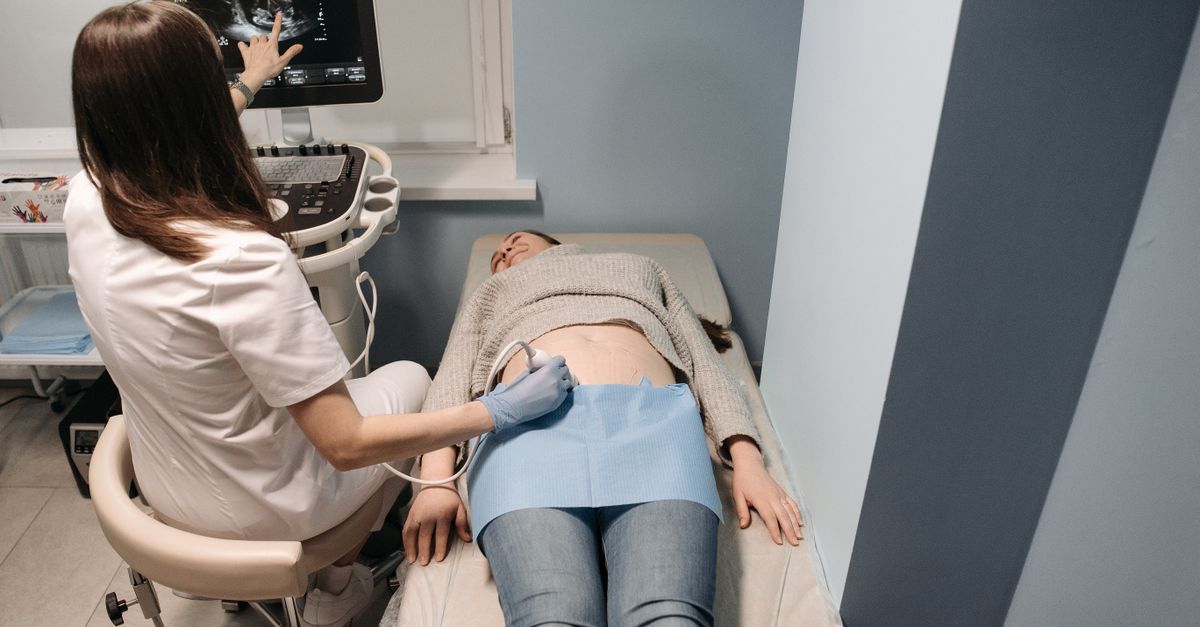
- Ultrasound: you lie on your back while a probe with gel measures the aorta's diameter.
- Results: usually available immediately.
- Next steps: reassurance, surveillance scans, or referral to a vascular surgeon.
Understanding results
A normal aorta needs no further screening in most people. Small aneurysms are monitored with repeat ultrasound at intervals that shorten as size increases. When an aneurysm reaches a size threshold, grows quickly or causes symptoms, repair is considered: either endovascular aneurysm repair (EVAR) using a stent graft through the groin, or open surgical repair. Meanwhile, stopping smoking and controlling blood pressure and cholesterol help slow growth and reduce cardiovascular risk.
Limitations
- Bowel gas or obesity can limit image quality; CT may be needed
- Screening focuses on the abdominal aorta, not the chest aorta
- A normal result does not exclude other vascular disease
Choosing a clinic for aneurysm screening in Seomyeon
- Choose a clinic where trained staff perform and interpret vascular ultrasound.
- Ask for the measured diameter in your report.
- Ask about referral pathways to vascular surgery if needed.
- Ask whether cardiovascular risk factors will be reviewed at the same visit.
- Keep your results for future comparison.
Quick and convenient
The scan fits easily into a health check. Clinics near Seomyeon Station are well connected by Lines 1 and 2.
Key facts
- Detects: abdominal aortic aneurysm (AAA)
- Test: abdominal ultrasound measuring aortic diameter
- Scan time: about 10–15 minutes
- Preparation: often fasting for a few hours to reduce bowel gas
- Higher-risk groups: older men, current or former smokers, family history of AAA, high blood pressure, atherosclerosis
- Results: normal, small aneurysm (surveillance) or large aneurysm (specialist referral)
- Typical cost type: may be part of health check-ups or paid privately
Frequently asked questions
Who should get screened for abdominal aortic aneurysm?
Screening is mainly recommended for older men, especially current or former smokers, and for people with a family history of AAA. Your doctor can advise based on your risk factors.
How is aortic aneurysm screening done?
A simple abdominal ultrasound measures the width of the aorta. It is painless, uses no radiation and takes about 10–15 minutes. Fasting beforehand may improve image quality.
What happens if a small aneurysm is found?
Small aneurysms are usually monitored with regular ultrasound scans. Stopping smoking and controlling blood pressure are important. Repair is considered if it grows large or rapidly.
What are the signs of a ruptured aortic aneurysm?
Sudden severe abdominal or back pain, dizziness, fainting or collapse. This is a life-threatening emergency. Call 119 immediately.
How are large aneurysms treated?
Options include endovascular repair, where a stent graft is placed through the groin arteries, or open surgery. The choice depends on aneurysm anatomy, age and overall health.
Medical disclaimer: Seomyeon.Clinic is an independent information directory. Content is for general education and does not replace a consultation with a licensed physician. Suitability, risks, results and costs vary by person and clinic. In an emergency in Korea, call 119.